Small-scale entrepreneurs should prioritize documenting their sales records for financial management and growth. Here are ten essential ways to do so:
Sales Invoices: Create detailed invoices for each sale, including customer information, date, products/services sold, quantities, prices, and total amounts.
Receipts: Keep records of all payment receipts, whether in cash, credit card, or other payment methods, to reconcile with sales.
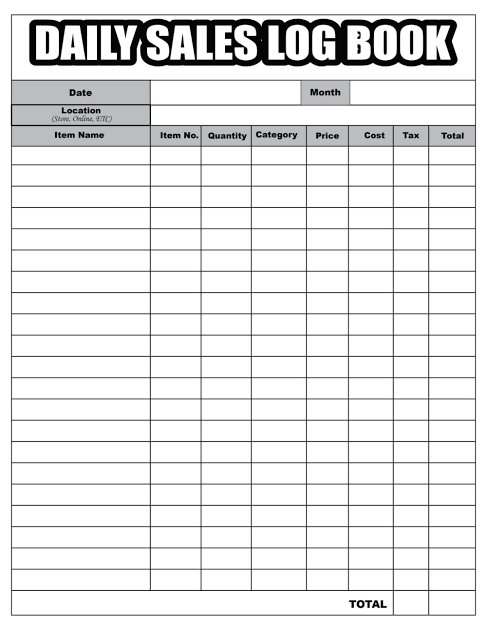
Sales Registers: Maintain a daily or weekly sales register summarizing all transactions, making it easier to track trends.
Digital Tools: Utilize accounting software or spreadsheet programs to organize and calculate sales data efficiently.
Customer Database: Build a customer database that includes contact information, purchase history, and preferences to personalize future sales efforts.
Inventory Records: Track inventory levels to ensure products are available when needed and to avoid overstocking or shortages.
Bank Statements: Regularly reconcile sales records with bank statements to identify any discrepancies.
Sales Reports: Generate regular sales reports to analyze performance, identify trends, and make informed decisions.
Tax Records: Keep records of all sales for tax purposes, including sales tax collected or VAT, to ensure compliance.
Backup Copies: Create digital and physical backups of all sales records to safeguard against data loss due to technical issues or disasters.
By implementing these practices, small-scale entrepreneurs can maintain accurate sales records, make informed decisions, and foster business growth.
 TAN BLOG
Leave a comment